
Scorpion Control in Vail, Arizona: A Comprehensive Analysis
Introduction:
In the high desert country surrounding Vail, Arizona, the arid climate provides an ideal habitat for scorpions. The presence of these arachnids is not just a nuisance but a health concern for residents and visitors alike. This article delves into the intricacies of scorpion control in Vail, AZ, exploring its significance, methodologies, economic implications, technological advancements, policy frameworks, and future prospects. By understanding the multifaceted approach to managing scorpion populations, we can better protect public health and safety while preserving the region’s natural beauty.
Understanding Scorpion Control in Vail, AZ:
Scorpion control in Vail, AZ, encompasses a variety of strategies aimed at reducing scorpion populations to acceptable levels. These include environmental management, biological control, and targeted pest control measures. The historical context of scorpion control in the region is rooted in early settlers’ experiences with these creatures, leading to a long-standing practice of managing scorpion populations to mitigate risks associated with their stings.
Global Impact and Trends:
The impact of scorpion control extends beyond Vail’s boundaries, influencing global efforts to manage arachnid populations in similar ecosystems. International trends show a shift towards sustainable and eco-friendly control methods that minimize environmental disruption. The effectiveness of these strategies in Vail can serve as a model for other regions facing similar challenges.
Economic Considerations:
The economic aspects of scorpion control are multifaceted, involving direct costs related to pest management services and indirect benefits such as the protection of public health and the promotion of tourism. Market dynamics in Vail reflect a growing demand for effective, yet environmentally conscious solutions. Investment patterns indicate a trend towards research and development of new technologies and methods for scorpion control, which are essential for economic sustainability.
Technological Advancements:
Recent advancements in technology have significantly improved the efficiency and efficacy of scorpion control measures. Innovations such as non-lethal traps, environmental modifications to reduce scorpion habitats, and advanced monitoring systems are paving the way for more humane and effective management practices. The future potential of these technologies promises even greater strides in controlling scorpion populations with minimal ecological disruption.
Policy and Regulation:
The governance of scorpion control in Vail is guided by a set of policies and regulations designed to protect both the environment and public health. These frameworks are continuously updated to reflect new scientific findings and societal values. Key legislation includes guidelines for safe disposal of captured scorpions, zoning laws that limit development in high-risk areas, and public education campaigns on safety measures.
Challenges and Criticisms:
Scorpion control in Vail faces several challenges, including resistance to traditional pesticides, ethical concerns over mass exterminations, and the need for long-term monitoring to assess the effectiveness of control measures. Critics argue that some methods may be too harsh on the ecosystem or ineffective in the long run. Strategies to overcome these issues involve interdisciplinary research, community engagement, and the development of integrated pest management (IPM) plans.
Case Studies:
Several case studies from Vail demonstrate successful applications of scorpion control measures. One notable example is the implementation of a community-based monitoring program that significantly reduced scorpion incidents. Another case involves the use of environmentally friendly pesticides in targeted areas, leading to a visible decrease in scorpion populations. These success stories provide valuable insights into effective control strategies.
Future Prospects:
The future of scorpion control in Vail is promising, with ongoing research and development of new technologies and approaches. Potential growth areas include the expansion of IPM practices, the integration of citizen science initiatives, and the adoption of predictive modeling to anticipate scorpion outbreaks. Emerging trends suggest a greater emphasis on education and prevention, as well as the exploration of alternative methods such as biological control agents.
Conclusion:
Scorpion control in Vail, AZ, is a complex issue that requires a multifaceted approach. Through a combination of environmental management, technological innovation, policy guidance, and community involvement, Vail has made significant strides in managing scorpion populations responsibly. The lessons learned from these efforts continue to shape the global conversation on arachnid control and underscore the importance of sustainable practices in protecting human health and preserving natural ecosystems.
FAQ Section:
-
What are the most common types of scorpions found in Vail, AZ? The most prevalent species include the Arizona bark scorpion (Scorpiopius birchii), which is known for its ability to climb and enter structures in search of prey or shelter.
-
How effective are scorpion control measures in Vail? Measures such as habitat modification, targeted pest control, and community awareness programs have shown significant reductions in scorpion incidents. However, complete eradication is not the goal; rather, it’s to maintain populations at levels that minimize risks to public health.
-
Can scorpion stings be fatal? While most people can tolerate a scorpion sting without serious consequences, individuals who are allergic or have compromised immune systems may require medical attention. Annual deaths due to scorpion stings in the United States are rare.
-
What role do pesticides play in scorpion control? Pesticides can be part of an integrated pest management strategy but are used sparingly due to environmental and health concerns. EPA-approved, low-impact pesticides are preferred when necessary.
-
Are there natural predators of scorpions that can be encouraged in Vail? Yes, certain species of birds, lizards, and centipedes naturally control scorpion populations. Encouraging these predators through habitat conservation is an important aspect of integrated pest management.
Scorpion control Vail AZ naturally requires understanding scorpion behavior: they prefer warmer nights, vegetation, and dark spaces. Key strategies include habitat manipulation (mowing lawns, sealing cracks), using natural repellents (essential oils, lavender), sanitation (vacuuming, securing garbage cans), and well-lit exteriors. Combining these methods effectively manages scorpion populations while ensuring family and pet safety.
Scorpion control for families with pets and children in Vail AZ is a pressing issue due to the region’s unique ecological balance and the potential risks these arachnids pose to both humans and animals. With their venomous stings, scorpions can cause severe health issues, especially for young children and pets. In this authoritative piece, we delve into effective yet natural scorpion control methods tailored for Vail AZ residents. By understanding the behavior of scorpions and implementing strategic, non-toxic solutions, families can enjoy a safer, more secure environment without compromising their commitment to ecological harmony.
Understanding Scorpion Behavior in Vail AZ: Tips for Pet and Child Safety
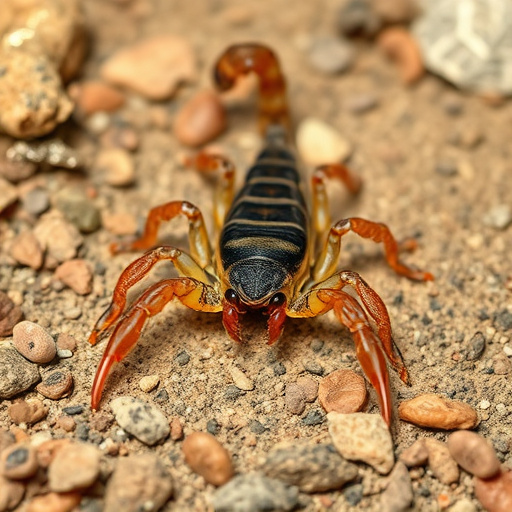
Scorpions are a common pest in Vail, AZ, and their presence can pose significant risks to families with pets and young children. Understanding scorpion behavior is crucial for effective scorpion control Vail AZ naturally and ensuring a safe environment. In this region, scorpions tend to be most active during the warmer months, particularly at night, when they hunt for food. They are attracted to areas with abundant vegetation, wooden structures, and dark, hidden spaces—common features in many outdoor settings. Recognizing their preferred habitats allows homeowners to implement preventive measures.
To keep your family and pets safe, it’s essential to educate yourself about scorpion habits. During the day, scorpions seek shelter in cracks, underneath objects, or within structures. They are generally shy creatures and will only sting if provoked or trapped. However, their powerful stings can be dangerous, especially for children and small animals. Scorpions are most active in the evening and night when they hunt and mate. In Vail’s climate, they tend to seek refuge indoors during extreme heat or cold. This knowledge empowers residents to take proactive steps, such as sealing entry points, maintaining a well-lit outdoor space, and regularly inspecting areas where scorpions thrive.
Natural scorpion control methods are effective in Vail AZ. For instance, keeping your lawn mowed and removing debris reduces hiding spots. Using certain essential oils and natural repellents can deter scorpions without harmful chemicals. Regular pest inspections and professional guidance tailored to local conditions are invaluable. By combining these strategies, residents can significantly reduce scorpion populations while ensuring the well-being of their loved ones and pets.
Natural Scorpion Control Methods for Homes in Vail AZ: A Comprehensive Guide

Scorpion control is a significant concern for families in Vail, AZ, especially those with pets and children. While traditional pest control methods exist, many residents are seeking natural scorpion control solutions for their homes. This comprehensive guide explores effective yet eco-friendly approaches to managing and preventing scorpion infestations in the region.
Natural scorpion control in Vail AZ involves a multi-faceted strategy centered around habitat manipulation, sanitation, and non-toxic deterrents. One of the primary steps is sealing entry points. Scorpions enter homes through cracks, gaps under doors, and windows. Regular inspections and repairs using caulk or weatherstripping can significantly reduce their access. For instance, focusing on areas around pipes, electrical lines, and door frames can be highly effective as these are common scorpion entry points. Maintaining a clean and clutter-free environment is another crucial aspect. Scorpions thrive in dark, secluded spots, so regularly vacuming, especially in corners and beneath furniture, helps eliminate hiding places. Additionally, proper waste management is essential; securing garbage cans with tight-fitting lids prevents attractants like food scraps from drawing scorpions.
Planting certain herbs and flowers known to repel scorpions can be an excellent natural deterrent. For example, lavender, lemongrass, and marigolds have proven effective in deterring these pests. Creating a buffer zone around the perimeter of your home with these plants can serve as a non-toxic barrier. Moreover, maintaining a well-lit exterior encourages scorpions to seek alternative habitats, as they are naturally drawn to darkness. LED lights, which produce less heat and attract fewer insects, can be strategically placed to deter scorpions without causing environmental harm. By combining these natural methods, families in Vail AZ can effectively manage scorpion populations while ensuring the safety of their loved ones and pets.
In addressing scorpion control Vail AZ naturally, this article has provided a comprehensive guide to understanding and managing these stinging pests safely around pets and children. By delving into scorpion behavior specific to Vail’s environment, families are equipped with valuable insights to prevent and mitigate potential hazards. The natural control methods outlined offer effective, non-toxic solutions tailored for homes in the region. Armed with this knowledge, residents can take proactive steps to create a safer, more comfortable living space for both family members and pets, ensuring peace of mind in this unique desert landscape.