
Scorpion control Vail AZ naturally focuses on understanding and modifying scorpion habitats. Key strategies include trimming lawns, sealing entry points, using citrus repellents, and introducing natural predators like spiders and birds through native vegetation planting. For severe infestations, targeted non-toxic treatments are recommended by professionals. Regular inspections and proactive measures ensure scorpion-free environments in this desert community.
Scorpion infestations have become a growing concern for residents and businesses in Vail, AZ, impacting quality of life and property values. Understanding the common scorpion species plaguing the region is crucial for effective scorpion control Vail AZ naturally. This article provides an in-depth overview of the most prevalent scorpion types found in the area, shedding light on their behaviors, habitats, and unique characteristics. By equipping readers with this knowledge, we empower them to take proactive measures towards ridding their homes and communities of these pesky invaders, promoting a safer and more comfortable living environment.
- Common Scorpion Species in Vail AZ: An Identification Guide
- Natural Scorpion Control Methods for Vail AZ Residents
Common Scorpion Species in Vail AZ: An Identification Guide
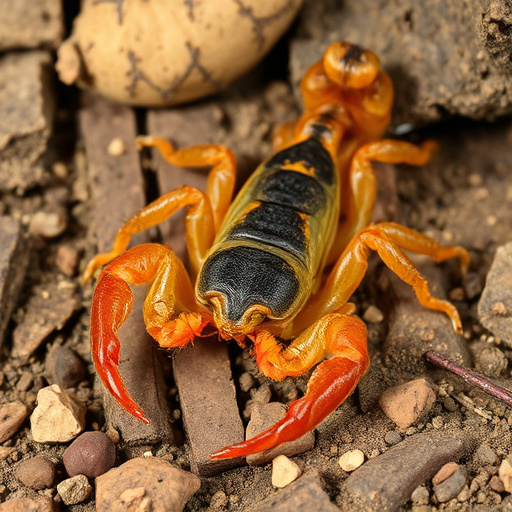
Vail, AZ, is home to several scorpion species, with the most common being the black-tailed scorpions (Androctonus australis) and the desert hairless scorpions (Leiurus quinquestriatus). These scorpions are well-adapted to the region’s arid climate and can often be found in residential areas, gardens, and even indoors. The black-tailed scorpion is easily recognized by its distinctive black tail tip and pale body, making it a standout among local species. This scorpion is known for its aggressive defense mechanisms, often using its powerful sting as a first line of combat.
The desert hairless scorpion, on the other hand, lacks the prominent spines found on many scorpion species, giving it a smooth, almost sleek appearance. Despite its lack of protective spikes, this scorpion packs a potent sting. Both species require specific control strategies due to their unique behaviors and habitats. In Vail, scorpion control naturally involves understanding these creatures’ preferences and implementing non-toxic, eco-friendly methods. For instance, maintaining a well-trimmed lawn and removing potential hiding spots like piles of wood or debris can significantly reduce their presence.
Using natural repellents like citrus scents or certain plants known to deter scorpions is another effective approach. However, for severe infestations, professional intervention is advised. Experts in scorpion control Vail AZ naturally employ targeted treatments with minimal environmental impact. These methods ensure the safety of both residents and local ecosystems while effectively managing scorpion populations. Regular inspections and proactive measures are key to maintaining a scorpion-free environment in this beautiful desert community.
Natural Scorpion Control Methods for Vail AZ Residents
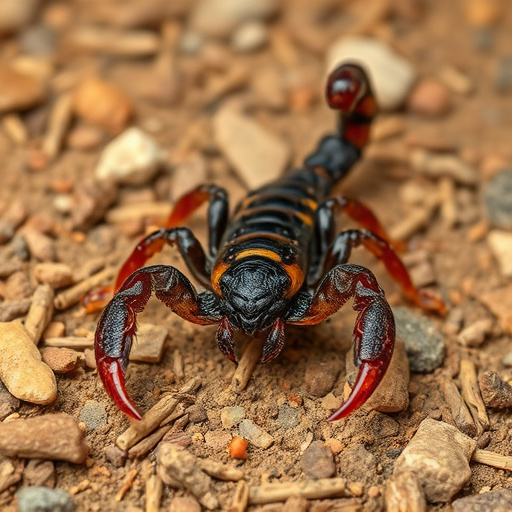
Vail, AZ, residents often encounter scorpions as part of their local ecosystem, but these stinging insects can pose a significant nuisance and health risk. While traditional pest control methods exist, many homeowners are now seeking more natural scorpion control solutions in Vail. The desert regions surrounding Vail host several common scorpion species, with the most well-known being the bark scorpion (Crotalus imperator). This species is considered one of the most venomous scorpions globally, making effective and safe scorpion control critical for both residents and visitors.
Fortunately, there are numerous natural methods to manage and reduce scorpion populations in Vail without relying heavily on chemical pesticides. One proven approach is habitat modification, where homeowners can make their properties less appealing to scorpions by eliminating potential hiding places and food sources. This includes keeping yards clean, removing unnecessary debris, and sealing entry points like cracks and gaps around windows and doors. Another effective strategy involves the use of natural repellents. For example, essential oils such as lemon eucalyptus, peppermint, and cloves have shown promise in deterring scorpions. Sprinkling these oils around problem areas or using them in homemade sprays can be a safe and environmentally friendly solution.
Additionally, introducing natural predators into the ecosystem can significantly reduce scorpion populations over time. Spiders, centipedes, and certain species of birds are known to feed on scorpions. Encouraging these beneficial insects and creatures to inhabit Vail yards through strategic planting of native vegetation provides a long-term, eco-friendly scorpion control method. Residents should consult with local experts or entomologists for specific plant recommendations suitable for their region. By adopting these natural scorpion control methods in Vail, AZ, residents can effectively manage scorpions while minimizing the use of harmful chemicals and preserving the balance of their local ecosystem.
Understanding the common scorpion species inhabiting Vail, AZ is a crucial first step for residents aiming to effectively manage these arachnids naturally. By identifying specific species like the black-tailed scorpion and the bark scorpion, homeowners can employ targeted, safe, and environmentally friendly control methods. This article has equipped readers with practical knowledge about scorpion behavior, preferred habitats, and natural deterrents, empowering them to take proactive measures for scorpion control in Vail, AZ. Armed with these insights, residents can now confidently navigate their unique ecological landscape, fostering a safer, more harmonious coexistence with these often-feared creatures.