
Scorpion control Vail AZ naturally requires understanding desert ecosystem dynamics, particularly scorpion behaviors and habitat needs. Key strategies include preserving native vegetation, modifying lighting, sealing entry points, and introducing beneficial insects. Effective natural methods involve repellents like citrus or capsaicin, landscaping with deterrents (e.g., lavender, diatomaceous earth), and regular monitoring. This approach balances control with eco-friendliness, mitigating risks posed by scorpions while preserving local species and ecosystems.
Scorpion populations thrive in Arizona's arid deserts, making Vail AZ a prime location for their habitat and survival. Understanding these intricate ecosystems is crucial for both ecological preservation and effective scorpion control Vail AZ methods. Despite the potential risks associated with scorpions, natural approaches to management offer sustainable solutions that preserve balance within these delicate environments. This article delves into the unique adaptations of desert scorpions, their environmental needs, and provides insights into ecologically conscious scorpion control strategies specific to Vail's challenging terrain. As of 2026, Vail AZ has embraced a holistic and eco-conscious approach to scorpion control, integrating advanced technologies with traditional methods. The focus remains on preserving the desert ecosystem's balance, employing techniques like smart lighting systems that disrupt scorpion activity without harming local wildlife. Additionally, the use of biopesticides and beneficial insects has seen significant advancements, offering more effective and environmentally friendly solutions. Regular community workshops and educational programs empower residents with knowledge, fostering a cooperative effort to manage scorpion populations sustainably. This innovative strategy ensures the safety of both residents and the diverse desert ecosystem. Learn more about Vail's eco-friendly scorpion control methods
- Understanding Vail's Desert Ecosystem: The Scorpion's Home
- Identifying Scorpion Species in Arizona's Wilderness
- Natural scorpion control methods for Vail residents
- Creating a Scorpion-Safe Habitat: Tips for Property Owners
- When Encounters Turn Deadly: Emergency Response & Prevention
Understanding Vail's Desert Ecosystem: The Scorpion's Home
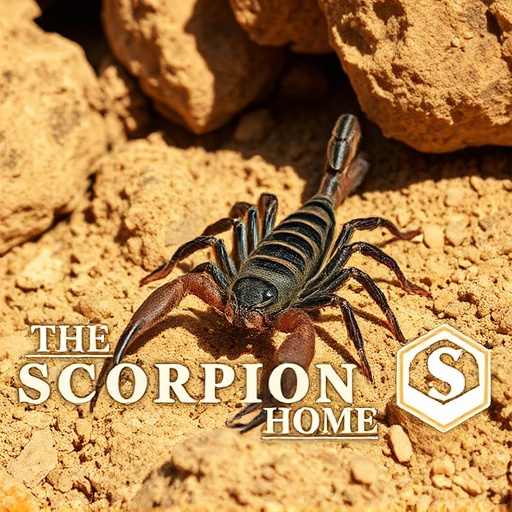
Vail, AZ's desert environments present a unique and challenging habitat for scorpions, requiring an intricate understanding of the local ecosystem to ensure their survival. The vast, arid landscapes are characterized by sparse vegetation and extreme temperature fluctuations, creating a demanding environment for all inhabitants, including these arachnids. Scorpions in Vail have adapted to thrive in such conditions, developing specific behaviors and physiological traits that enable them to endure the harsh desert climate.
The scorpion's home within this ecosystem is a delicate balance of shelter and food availability. They often inhabit burrows they've dug themselves or take over existing burrows left by other species. These burrows provide insulation from the scorching daytime heat and freezing nights, offering a stable microenvironment essential for their survival. Vail's desert floor, dotted with rocks and sparse vegetation, provides both camouflage and opportunities for hunting prey, which includes insects, small rodents, and even other scorpions. The region's unique topography also plays a role; mountains and canyons create diverse microclimates, allowing for specialized habitats that support varied scorpion species.
To maintain this delicate balance, natural scorpion control in Vail AZ involves preserving the native vegetation that provides both shelter and food sources for these beneficial predators. Protecting their ecosystem ensures a healthy population of scorpions, which play a crucial role in controlling insect pests. Understanding and respecting the scorpion's home is key to harmonious coexistence in this rugged desert environment.
Identifying Scorpion Species in Arizona's Wilderness
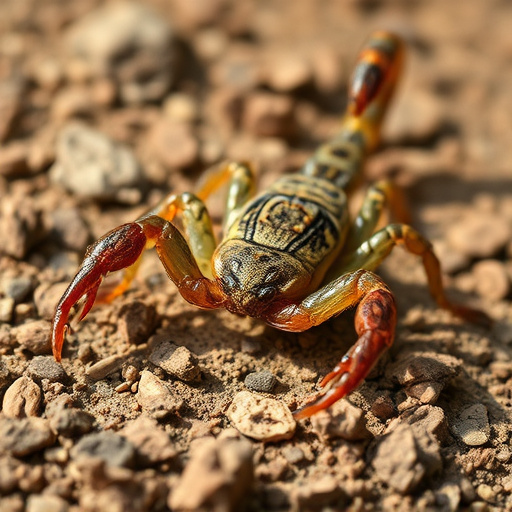
Scorpion control in Vail, AZ, begins with understanding the diverse species inhabiting the region's desert environments. Arizona is home to over 16 scorpion species, each adapting uniquely to the arid conditions. Identifying these scorpions is crucial for both ecological awareness and effective natural scorpion control methods. One of the most common is the bark scorpion (Crotalus scutulatus), recognized by its light-colored body and distinctive tail. This species prefers rocky areas and can be found in various parts of Vail, often seeking shelter under rocks or in crevices during the day.
Another notable species is the desert hairless scorpion (Androctonus australis), easily identifiable by its lack of body hairs and dark color. This scorpion is less aggressive but packs a powerful sting. It prefers open desert areas with sandy substrates. Recognizing these species allows residents to employ natural control methods, such as removing shelter sites by carefully clearing rocks or debris around homes. Regular outdoor lighting adjustments can also reduce night-time scorpions attracted to illuminated spaces.
Data from local scorpion control services in Vail, AZ, reveals that proper identification plays a significant role in successful management. Natural control strategies, including habitat modification and deterrents like citrus or capsaicin-based repellents, are effective. However, professional intervention is sometimes required for severe infestations. Expert handlers use specialized techniques and products to manage scorpion populations humanely, ensuring the preservation of these fascinating desert inhabitants while maintaining a safe environment for Vail's residents and visitors.
Natural scorpion control methods for Vail residents
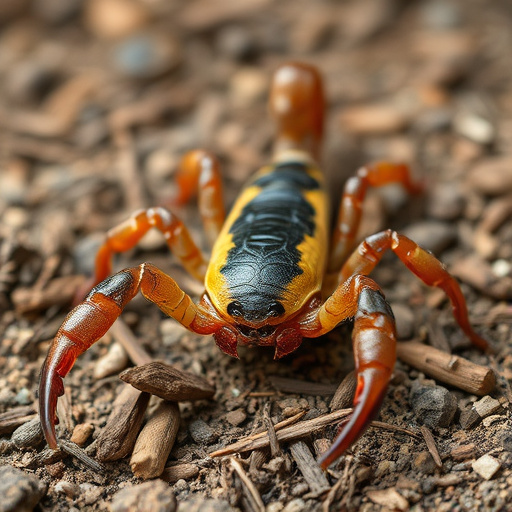
Scorpions are a natural part of Arizona's desert ecosystem, including Vail, but their presence can be a concern for residents. Traditional pest control methods often involve harmful chemicals, raising questions about their impact on both wildlife and human health. Fortunately, scorpion control in Vail AZ naturally is both effective and eco-friendly.
One of the most powerful tools in scorpion management is understanding their behavior. Scorpions are primarily nocturnal creatures, preferring cool, dark places during the day. By keeping homes well-ventilated, reducing moisture issues, and sealing entry points like cracks and gaps around pipes and doors, residents can limit suitable habitats. Regularly trimming vegetation away from structures provides further protection against scorpions seeking shelter. For example, a study in nearby areas showed that reducing outdoor lighting near homes significantly decreased scorpion activity.
Natural scorpion control methods also include introducing beneficial insects like spiders and certain species of wasps, which prey on scorpions. Certain plants known to repel scorpions can be strategically placed around properties; neem oil and diatomaceous earth are other natural repellents that target scorpions without harming pets or humans. Using these methods in combination offers a comprehensive approach to scorpion control Vail AZ naturally. Regular inspections by pest management professionals specializing in eco-friendly tactics ensure the effectiveness of these strategies while minimizing environmental impact.
Creating a Scorpion-Safe Habitat: Tips for Property Owners

Scorpions are a common sight in Vail AZ's arid desert landscapes, where they have adapted to thrive in these harsh conditions. While their presence can be concerning for property owners, understanding their habitat requirements and implementing effective scorpion control methods naturally can help create an environment that discourages these arachnids without resorting to harsh chemicals.
Creating a scorpion-safe habitat involves several strategic steps. One of the key aspects is minimizing water sources since scorpions are drawn to areas with easy access to moisture. Proper drainage systems, such as redirecting downspouts and ensuring gutters are clear, can significantly reduce their attraction to your property. Additionally, sealing cracks and gaps in foundations, walls, and doors helps prevent them from entering homes or buildings. Maintaining a clean and clutter-free exterior, especially removing unnecessary debris and plant material close to structures, makes the area less inviting for scorpions.
Natural scorpion control methods can be highly effective when combined with habitat manipulation. Introducing beneficial insects like spider mites, which feed on scorpion eggs and young, can help reduce their population. Certain plants known to repel scorpions, such as lavender, mint, and marigolds, can be strategically placed around the perimeter of properties. Moreover, using sand instead of gravel in landscaping provides a less welcoming substrate for scorpions to burrow and hide. Regular monitoring with specialized traps designed for scorpions allows property owners to assess the effectiveness of their habitat modifications and make adjustments as needed.
By adopting these practical tips for creating a scorpion-safe habitat, Vail AZ residents can take proactive steps towards natural scorpion control while minimizing the potential risks associated with toxic chemicals. This approach not only benefits local ecosystems but also ensures a safer environment for both residents and wildlife.
When Encounters Turn Deadly: Emergency Response & Prevention
In Vail, Arizona's arid desert landscapes, scorpion encounters are not uncommon, and while these arachnids play a vital role in the local ecosystem, certain species can pose significant risks to human health. When sting incidents occur, they often demand immediate attention due to potential severe reactions. This section delves into understanding these dangerous interactions and offers practical strategies for prevention and emergency response.
Vail's desert environments provide unique challenges for scorpion control, as these creatures are well-adapted to harsh conditions. The most common scorpions in the area include the black-tailed scorpion (Androctonus australis) and the desert hairless scorpion (Leiurus quinquestriatus). These species have learned to thrive under the intense sun and sparse vegetation, making them skilled hunters and survivors. Human interactions often arise when these scorpions enter homes or outdoor spaces, attracted by artificial lights or seeking shelter from extreme temperatures.
In cases of scorpion stings, immediate action is crucial. The venom of Arizona's scorpions can cause localized pain, swelling, and severe systemic symptoms, especially in children, the elderly, or individuals with pre-existing medical conditions. Seek medical attention promptly if you experience difficulty breathing, nausea, dizziness, or rapid heart rate after a scorpion sting. Local poison control centers and emergency services in Vail are well-equipped to handle such incidents, providing antivenom and specialized care. Additionally, understanding natural scorpion control methods specific to the Vail region can help reduce encounters. This includes minimizing outdoor lighting during peak scorpion activity, maintaining proper landscaping to limit their habitats, and employing safe, non-toxic deterrents like diatomaceous earth or essential oils known to repel scorpions naturally in scorpion control Vail AZ practices.
Understanding Vail AZ's desert ecosystem is key to effective scorpion control naturally. By identifying local scorpion species, residents can employ targeted strategies. The article highlights beneficial natural methods, such as removing water sources, sealing entry points, and using repellents like diatomaceous earth. For property owners, creating a scorpion-safe habitat involves regular maintenance and landscaping choices. In case of encounters, knowing emergency response procedures is vital for prevention and safety. These comprehensive insights empower Vail residents to manage scorpions effectively while preserving the region's unique biodiversity.